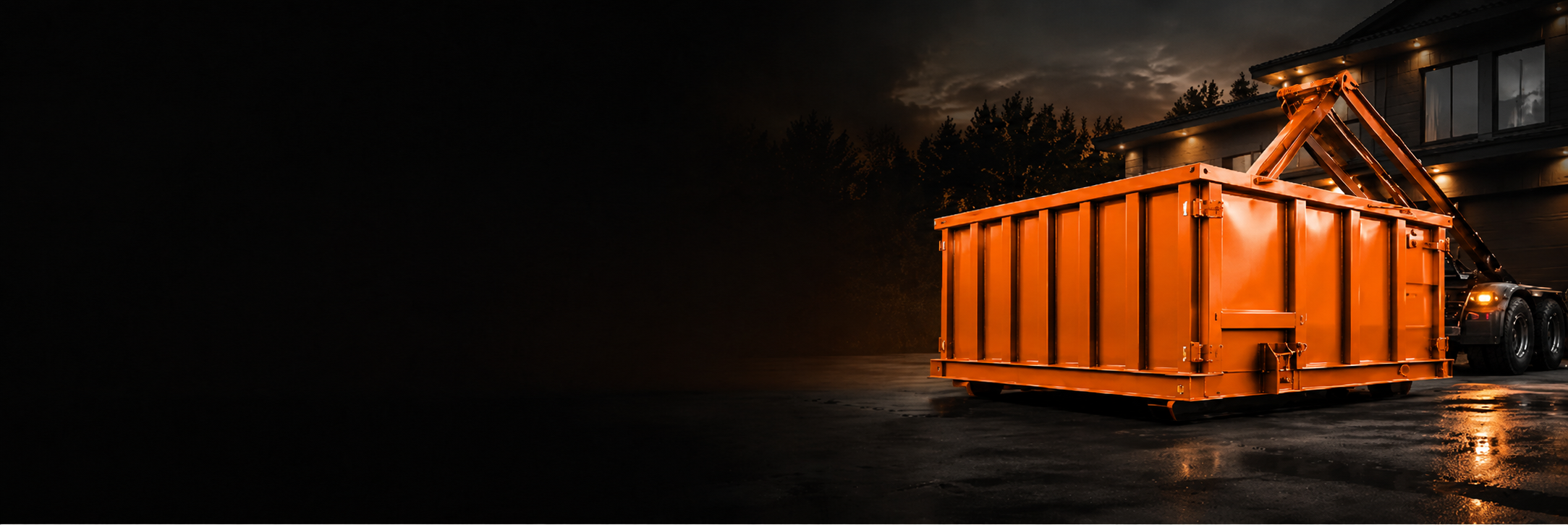

Most of us don't spend much time thinking about where our trash ends up. Once the garbage truck pulls away or the dumpster is hauled off, it's easy to assume the job is done. But landfills don't have unlimited space, and every one of them eventually reaches the point where it can no longer accept waste.
So, what happens when a landfill is full? The answer involves years of planning, environmental monitoring, and finding new places to safely manage the waste our communities generate every day.
What Happens When a Landfill Reaches Capacity?
A landfill doesn't simply close its gates overnight because it's out of room. Operators monitor how much space remains years in advance, allowing them to prepare for closure and identify where waste will be directed next.
Once a landfill reaches its permitted capacity, it is typically capped with layers of soil and protective materials designed to limit water infiltration, reduce odors, and control landfill gas. Even after it stops accepting trash, the site continues to be monitored for decades to ensure it remains environmentally stable.
Where Does Trash Go When a Landfill Is Full?
When one landfill can no longer accept waste, garbage doesn't stop being collected. Instead, it is usually transported to another permitted landfill with available capacity.
Depending on the region, that may mean:
- Sending waste to another landfill within the county.
- Hauling trash to a neighboring city or state.
- Expanding an existing landfill if additional permits are approved.
- Opening a newly developed landfill designed to replace the old one.
Longer transportation distances often increase disposal costs, fuel usage, and the overall expense of managing waste for municipalities and businesses.
Can a Full Landfill Still Accept Waste?
In most cases, no.
Once a landfill reaches its approved capacity, it cannot continue accepting regular waste unless regulators approve an expansion or modification. Those approvals often require extensive environmental reviews and public input before additional disposal space can be created.
Some facilities may continue operating portions of the property while expansion work is underway, but a landfill that has officially reached capacity generally stops receiving new trash.
How Long Does It Take for a Landfill to Fill Up?
There isn't one simple answer.
The lifespan of a landfill depends on several factors, including:
- The size of the landfill.
- The amount of waste received each day.
- Population growth.
- Commercial and construction activity.
- Recycling and waste diversion efforts.
Some smaller landfills may fill within 20 years, while larger regional facilities can continue operating for several decades with careful planning and efficient waste management.
What Happens to Garbage After It Is Buried in a Landfill?
Once waste is delivered to a landfill, heavy equipment spreads and compacts it into tightly packed layers. At the end of each operating day, those layers are covered with soil or alternative cover materials to help reduce odors, discourage pests, and limit litter from blowing away.
Over time, organic materials begin breaking down naturally. That process produces landfill gas, primarily methane and carbon dioxide. Modern landfills are designed with gas collection systems that capture much of this gas for flaring or, in some locations, conversion into usable energy.
Leachate, the liquid created as water moves through buried waste, is also collected through engineered drainage systems and treated before being released or processed.
Are Full Landfills Dangerous?
A properly managed landfill that has reached capacity is not automatically dangerous. Modern landfills are engineered with protective liners, drainage systems, groundwater monitoring, and long-term maintenance requirements designed to protect surrounding communities.
Problems are more likely to occur when older landfills lack modern environmental protections or when illegal dumping takes place outside approved disposal sites. That's one reason local regulations governing landfill construction and closure have become much stricter over the past several decades.
Why Responsible Waste Disposal Matters
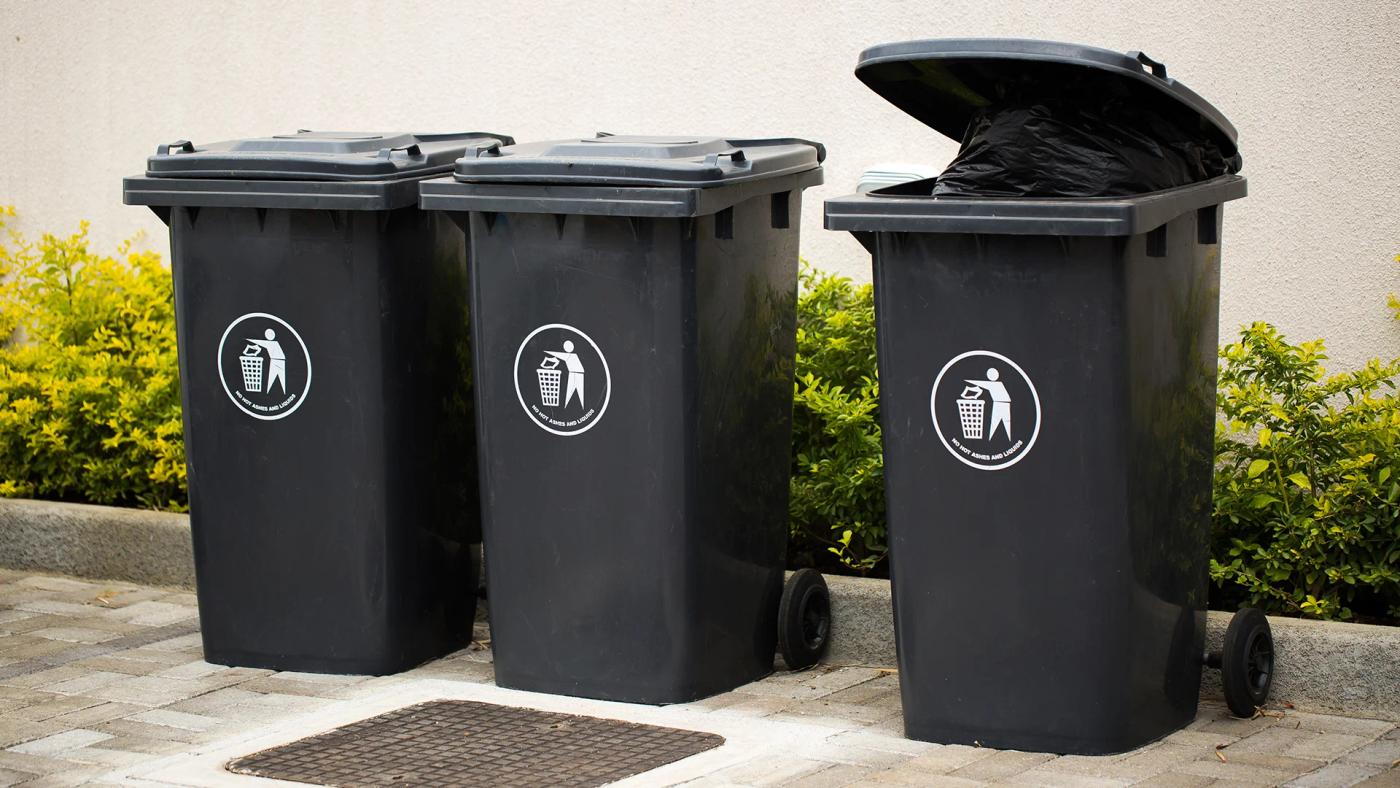
As available landfill space becomes more valuable, reducing unnecessary waste benefits everyone. Recycling, donating reusable items, and sorting materials correctly all help extend the life of existing landfills while reducing the amount of debris that ultimately requires burial.
For larger cleanup projects, having a dumpster on-site also makes it easier to collect debris efficiently so materials can be transported and disposed of through approved waste management channels.
Make Your Cleanup Easier With Momentum Dumpsters
Whether you're tackling a home renovation, cleaning out an estate, managing a foreclosure property, or handling construction debris, having the right dumpster keeps your project organized and your waste contained from start to finish.
Momentum Dumpsters offers convenient dumpster rentals for projects of every size, making cleanup simpler while ensuring debris is hauled away for proper disposal. Reserve your dumpster today and keep your project moving without the mess.